
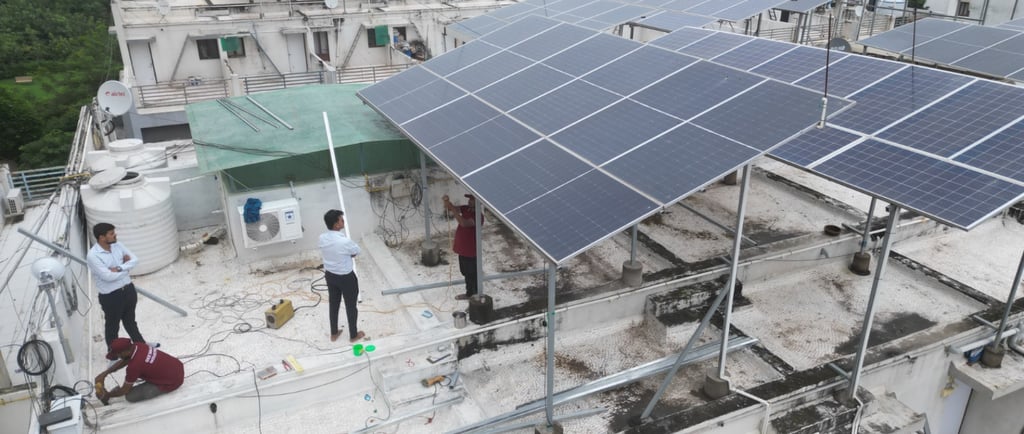
Switching to solar is no longer just an environmental decision, it’s a smart financial move, especially in a city like Ahmedabad where sunlight is abundant almost throughout the year. If you’ve been exploring options with a solar company in Ahmedabad, you’re already on the right track. But before you install a system on your rooftop, it’s important to understand how solar actually works, what factors affect your investment, and how to make the right decisions from day one.
Let’s break it down in a practical way so you know exactly what to expect when working with a solar company in Ahmedabad and setting up your own solar power system.
Why Solar Makes Sense in Ahmedabad
Ahmedabad has one big advantage: consistent sunshine. The city receives high solar irradiance, which means solar panels here can generate strong output throughout the year. This directly impacts how quickly you recover your investment.
Electricity costs are also steadily rising. With solar, you lock in your energy cost for the next 20–25 years. That predictability alone makes it appealing for both homeowners and businesses.
There’s also the added benefit of government support. Gujarat has been one of the more active states in promoting rooftop solar through subsidies and net metering policies.
Understanding How Solar Works (Without the Jargon)
At its core, a solar system is simple:
Solar panels capture sunlight and convert it into electricity
An inverter converts that electricity into usable power for your home or office
Any extra power can either be stored (with batteries) or sent back to the grid
That’s it. No moving parts, no noise, and very low maintenance.
What this really means is once your system is installed, it quietly does its job every single day, cutting down your electricity bill without much intervention.
Types of Solar Systems You Can Choose
Before installing, you need to decide which type of system fits your needs:
1. On-Grid System
This is the most common option. It connects directly to the electricity grid.
No battery required
Lower upfront cost
You can export extra electricity via net metering
Best for: homes and businesses with stable grid supply
2. Off-Grid System
This system works independently from the grid and uses batteries.
Complete energy independence
Higher cost due to batteries
Ideal for areas with frequent power cuts
Best for: remote areas or backup-heavy requirements
3. Hybrid System
A mix of both. You stay connected to the grid but also have battery backup.
More flexibility
Higher investment
Useful for critical operations
Best for: those who want both savings and backup
How Much Space Do You Need?
A common question is: “Will my roof be enough?”
Here’s a rough idea:
1 kW system needs about 80–100 sq. ft.
A typical home system (3–5 kW) requires 300–500 sq. ft.
The direction and tilt of your roof matter more than just size. South-facing roofs usually perform best in India.
If your roof has shade from trees or nearby buildings, that can reduce efficiency. A proper site inspection helps avoid surprises later.
Cost of Installing Solar in Ahmedabad
Let’s talk numbers, because this is where most decisions happen.
The cost depends on:
System size (kW capacity)
Type of panels (monocrystalline vs polycrystalline)
Inverter quality
Installation complexity
On average:
Residential systems: ₹50,000 – ₹70,000 per kW
Commercial systems: Slightly lower per kW due to scale
Government subsidies can reduce your upfront cost significantly, especially for residential installations.
What About ROI and Payback?
Here’s the part people care about most.
Payback period: 4–6 years (approx.)
System lifespan: 25+ years
Savings: Lakhs over the lifetime
After your system pays for itself, the electricity you generate is essentially free.
What this really means is your roof becomes an income-generating asset.
Net Metering: The Game Changer
Net metering allows you to export excess electricity to the grid.
For example:
If your system produces more than you consume during the day, that extra power goes to the grid
At night, you draw power from the grid
Your bill is adjusted based on the difference
This makes solar far more efficient because you don’t “waste” unused energy.
Policies may vary slightly, so it’s important to understand current regulations in Gujarat before installing.
Maintenance: Easier Than You Think
Solar systems are low-maintenance, but not no-maintenance.
Here’s what’s required:
Cleaning panels every 10–15 days (dust reduces efficiency)
Occasional inspection of wiring and inverter
Annual servicing (optional but recommended)
No fuel, no noise, no frequent repairs. Compared to traditional power systems, it’s incredibly simple.
Choosing the Right Solar Partner
This is where many people go wrong.
Not all installers are equal. A poor installation can reduce efficiency, increase risk, and cost you more in the long run.
Here’s what to look for:
Experience and completed projects
Quality of components used
Proper system design (not just selling capacity)
After-sales support
Assistance with subsidy and documentation
Don’t just compare prices. Compare long-term value.
Common Mistakes to Avoid
Let’s save you from the usual pitfalls:
1. Choosing the cheapest option
Lower price often means compromise in components or installation quality.
2. Ignoring shading issues
Even partial shade can affect output significantly.
3. Not understanding your electricity usage
Your system size should match your consumption, not guesswork.
4. Skipping documentation and approvals
Net metering and subsidies require proper paperwork.
5. Overlooking warranty terms
Panels usually have 25-year performance warranties, but check inverter and installation warranties too.
Residential vs Commercial Solar
The approach differs slightly depending on usage.
Residential:
Smaller systems (2–10 kW)
Focus on reducing electricity bills
Subsidy benefits available
Commercial:
Larger systems (10 kW to several MW)
Focus on operational cost reduction
Faster ROI due to higher consumption
Businesses benefit more because their daytime usage aligns perfectly with solar generation.
Environmental Impact (And Why It Matters)
Beyond savings, solar has a real environmental benefit.
Reduces carbon emissions
Cuts dependence on fossil fuels
Supports sustainable energy goals
One average home solar system can offset several tons of CO₂ every year.
What this means is you’re not just saving money; you’re contributing to cleaner air and a more sustainable future.
Future of Solar in Ahmedabad
Solar adoption is only going up.
With rising electricity costs, better technology, and stronger government support, more rooftops are turning into mini power plants.
Battery technology is also improving, which will make energy storage more affordable in the coming years.
If you’re thinking about solar, waiting usually doesn’t help. The sooner you install, the sooner you start saving.
Final Thoughts
Installing solar isn’t complicated, but it does require the right decisions upfront. From choosing the correct system type to working with the right team, every step affects your long-term results.
If done right, solar becomes one of the smartest investments you can make for your home or business. It reduces costs, adds value to your property, and gives you control over your energy.
When you’re ready to take the next step, working with a reliable provider like Jasko Energy can help ensure your system is designed, installed, and maintained the right way from day one.
Empowering homes and businesses with reliable, sustainable, and cost-effective solar solutions since 2016.

Phone
+91 81407 08881
Address
info.jaskoenergy.com
306, 3rd Floor, Rashmi Business Hub
S.P.Ring Road, Odhav
Ahmedabad-382415
Quick Links
Our Service