
Is Your Home Ready for Solar? 5 Things to Check Before Installing
4/20/20263 min read
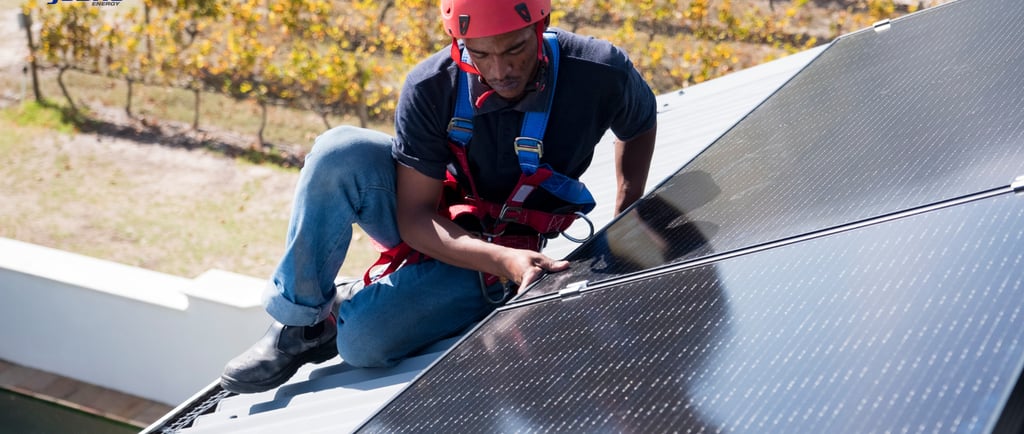
Switching to solar isn’t just about saving on electricity bills, it’s a long-term investment in your home’s efficiency and sustainability. With rising energy costs and growing awareness around renewable energy, more homeowners are exploring solar as a practical solution. If you’re searching for the Best Solar Company in Ahmedabad, chances are you’re already serious about making the shift.
But here’s the thing, installing solar panels isn’t a one-size-fits-all decision. Before you move ahead, it’s important to understand whether your home is actually ready for it. A little preparation can save you money, improve performance, and prevent unnecessary headaches later.
Let’s break it down into five key things you should check before installing solar panels.
1. Roof Condition and Structure
Your roof is the foundation of your solar system. If it’s not in good shape, everything else becomes risky.
Start by checking the age and condition of your roof. If it’s nearing the end of its lifespan or has issues like leaks, cracks, or weak structural areas, it’s better to fix those first. Solar panels are designed to last 20–25 years, so your roof should be able to support them for that long without needing major repairs.
Also, consider the type of roof you have. Flat roofs, sloped roofs, and different materials like concrete, metal, or tiles all affect installation methods. A strong and stable structure ensures your panels stay secure and perform efficiently over time.
What this really means is simple: don’t treat solar installation as a quick add-on. It’s a structural upgrade.
2. Sunlight Exposure
Solar panels rely entirely on sunlight. No sunlight, no power, it’s that straightforward.
Take a close look at how much direct sunlight your roof gets during the day. Ideally, your roof should receive at least 5–6 hours of unobstructed sunlight daily. Factors like nearby buildings, trees, water tanks, or even architectural elements can cast shadows that reduce efficiency.
Direction matters too. In India, south-facing roofs generally receive the most consistent sunlight throughout the year. East and west-facing roofs can still work, but with slightly lower efficiency.
If you’re unsure, a professional site assessment can give you a clear picture of your solar potential.
3. Available Roof Space
Solar panels need space, more than most people initially expect.
The size of your system depends on your electricity usage, and that directly impacts how much roof area you’ll need. On average, a 1 kW solar system requires about 80–100 square feet of shadow-free space.
Now here’s where many homeowners get surprised. Things like water tanks, satellite dishes, AC outdoor units, and staircases often reduce usable space. Even small obstructions can limit how many panels can be installed.
Before planning your system size, evaluate how much clean, open space is actually available. A well-planned layout can maximize output even in limited areas.
4. Electricity Usage and Load
This is where solar becomes truly personalized.
Your energy consumption determines the size and cost of your solar system. Take a look at your past electricity bills, at least 6 to 12 months’ worth. This helps you understand your average monthly usage and seasonal variations.
If your electricity usage is high, you’ll need a larger system. If it’s moderate, a smaller setup might be enough to cover most of your needs.
Also consider future changes. Planning to buy an electric vehicle? Adding more air conditioners? Expanding your home? It’s smarter to factor in future demand now rather than upgrading later.
Solar isn’t just about current savings, it’s about future-proofing your energy.
5. Local Regulations and Net Metering
This is the part many people overlook, but it can make a big difference.
Before installing solar panels, you need to understand local policies, permissions, and net metering rules. Net metering allows you to send excess electricity back to the grid and earn credits, which can significantly reduce your overall electricity bill.
Different states and cities may have different regulations, approval processes, and subsidy options. Working with an experienced installer ensures all paperwork, approvals, and compliance requirements are handled smoothly.
Skipping this step can delay your project or limit the financial benefits of your system.
Final Thoughts
Installing solar panels is one of the smartest upgrades you can make for your home, but only if it’s done right.
From roof strength to sunlight exposure, from space planning to understanding your energy needs, every detail matters. Taking the time to evaluate these factors ensures your system performs efficiently and delivers the savings you expect.
If you want a hassle-free experience with proper guidance from start to finish, working with a trusted provider like Jasko Energy can make all the difference. Their expertise helps you avoid common mistakes and get the most out of your investment.
Empowering homes and businesses with reliable, sustainable, and cost-effective solar solutions since 2016.

Phone
+91 81407 08881
Address
info.jaskoenergy.com
306, 3rd Floor, Rashmi Business Hub
S.P.Ring Road, Odhav
Ahmedabad-382415
Quick Links
Our Service